When you hear the term "Sky Island," what first comes to mind?
Is it the floating castle from Hayao Miyazaki's lens, suspended in the clouds and harboring endless wealth and power?
Is it the epic sky island saga of One Piece, where one crosses a sea of clouds and rings the golden bell?
Or is it the heavenly abode in Genshin Impact, high above Teyvat, governing the fate of all beings?
Sky islands are a product of human imagination, a utopia rich in romanticism across ages.
The term "Sky Island" originated from observations of the landscape in the southwestern United States in the 20th century and was popularized by naturalist Weldon Heald in his 1967 book Sky Island. The equilibrium theory of island biogeography proposed by Robert MacArthur and E.O. Wilson in the 1960s laid a solid theoretical foundation for this concept, transforming it from a geographic metaphor into a globally applicable ecological framework. It has since been widely used to describe isolated peak ecosystems from the Himalayas and the Andes to tropical African highlands (Figure 1).
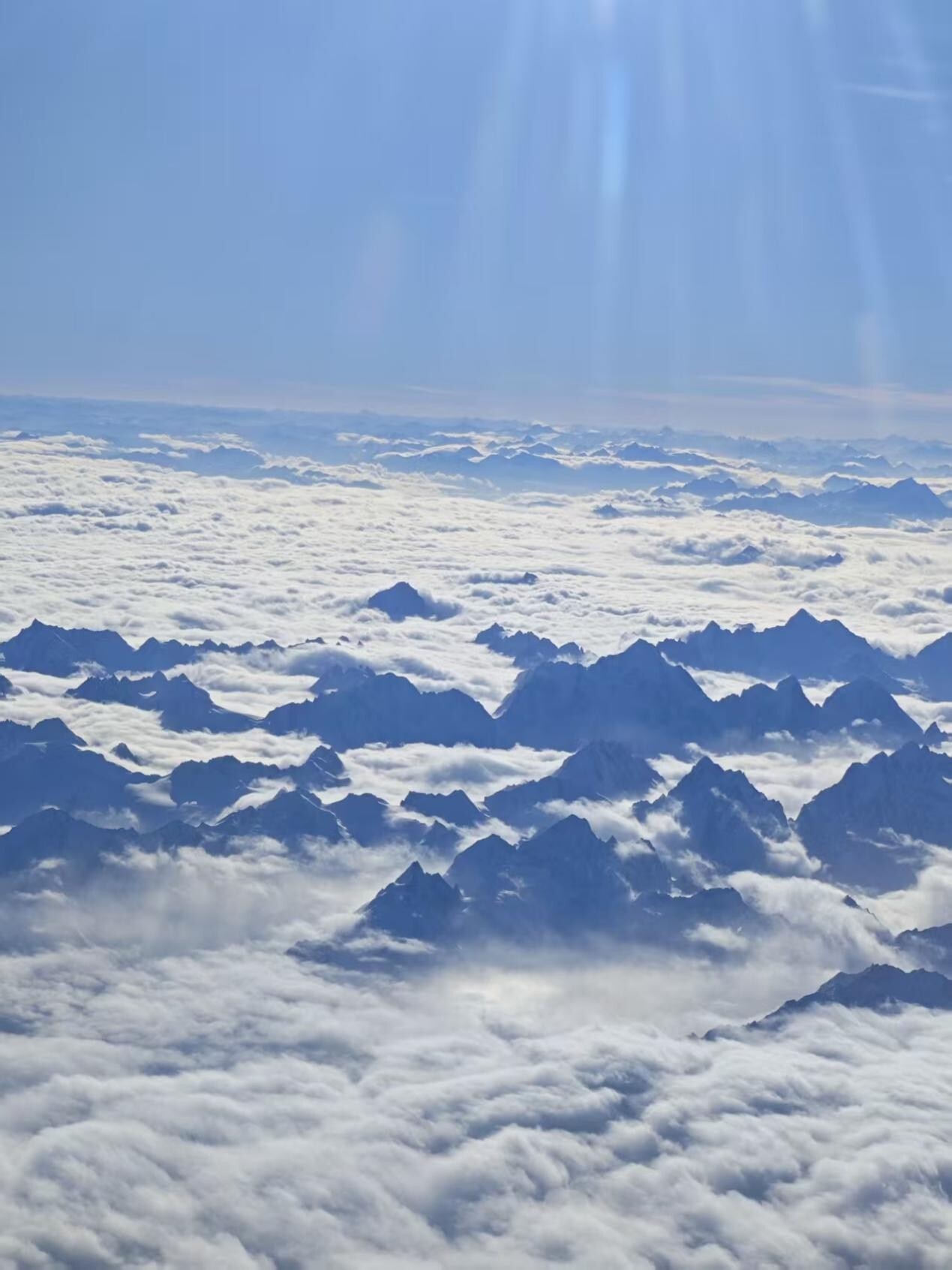
Figure 1: Sky island habitats in the Himalaya (Photo: ZHANG Yazhou )
However, the Sky Island theory, primarily developed from simple mountain systems in North America (lowland deserts + high-elevation peaks), has limitations when applied to large mountain ranges. Take China's Hengduan Mountains, for example — a globally renowned biodiversity hotspot with complex vertical landscapes, ranging from river valleys, forests, alpine shrub meadows, alpine subnival belt, to snow and ice zones (Figure 2).
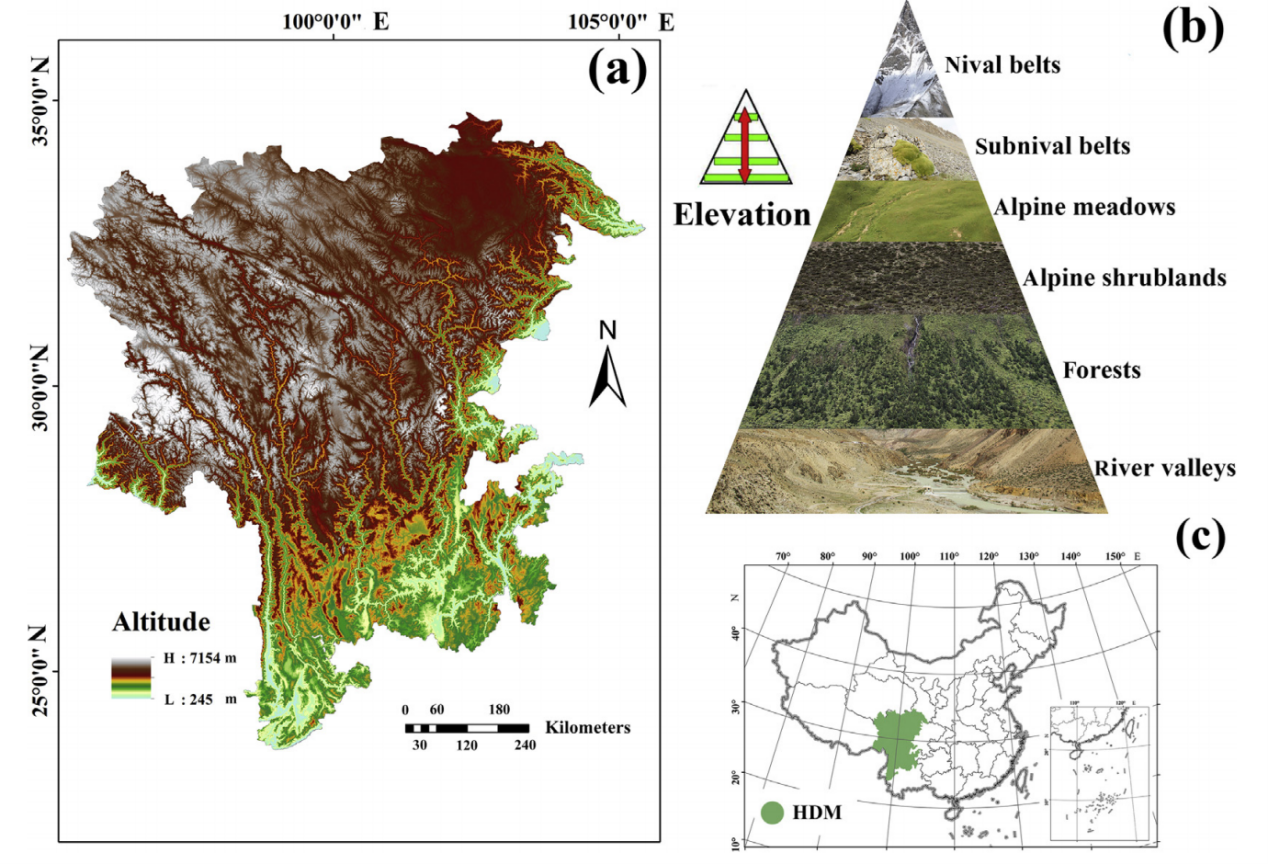
Figure 2: Location and vertical structure of the Hengduan Mountains (Zhang et al., 2021)
From a topographic perspective, the high-elevation areas of the Hengduan Mountains often consist of continuous mountain ranges, whereas the low-elevation river valleys are fragmented into isolated patches (Figure 3). Whether the Sky Island effect applies in such large mountain systems remains to be tested — especially with standardized sampling that compares high and low elevations. For example, do alpine subnival belts exhibit stronger isolation effects than lowland river valleys? Furthermore, microorganisms, long thought to follow the principle "Everything is everywhere" — how do their diversity and functional patterns behave under the Sky Island framework?
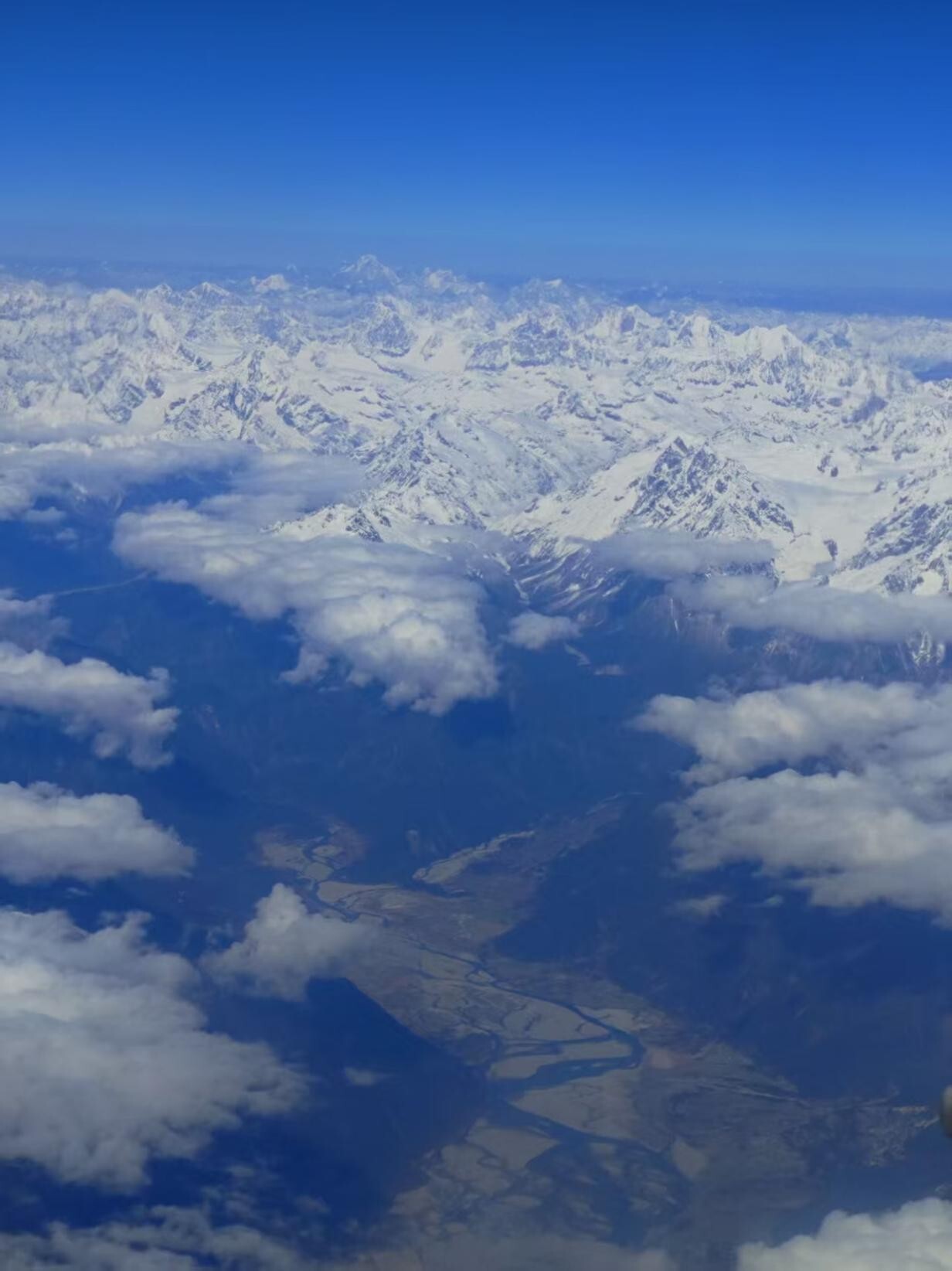
Figure 3: Landscape of the Hengduan Mountains (Photo: ZHANG Yazhou)
To address these questions, A research team from Kunming Institute of Botany, Chinee Academy of Sciences (KIB/CAS) conducted systematic sampling in the Hengduan Mountains from July to August 2024, covering four typical ecosystems: river valleys, forests, alpine meadows, and alpine subnival belts.
The team proposed three scientific questions:
(1) Does the strongest signal of microbial biogeographic isolation and divergence occur in high-elevation ecosystems or in lowland river valleys?
(2) How do taxonomic and functional diversity patterns relate to each other across these vertically distributed ecosystems, and are these two dimensions shaped by the same community assembly processes?
(3) What are the relative roles of dispersal limitation and environmental selection in driving microbial community assembly across ecosystems, and how does their importance change with elevation?
The team found that the distribution patterns of microorganisms are far more complex than imagined.
1. Each ecosystem has its own "microbial business card"
By analyzing microbial species composition and functional genes, we found that the microbial communities of these four ecosystems were each distinctive, with significant differences between them. Among them, river valleys and subnival belts were the most unique in species composition, while forests and meadows shared some similarity (Figure 4).
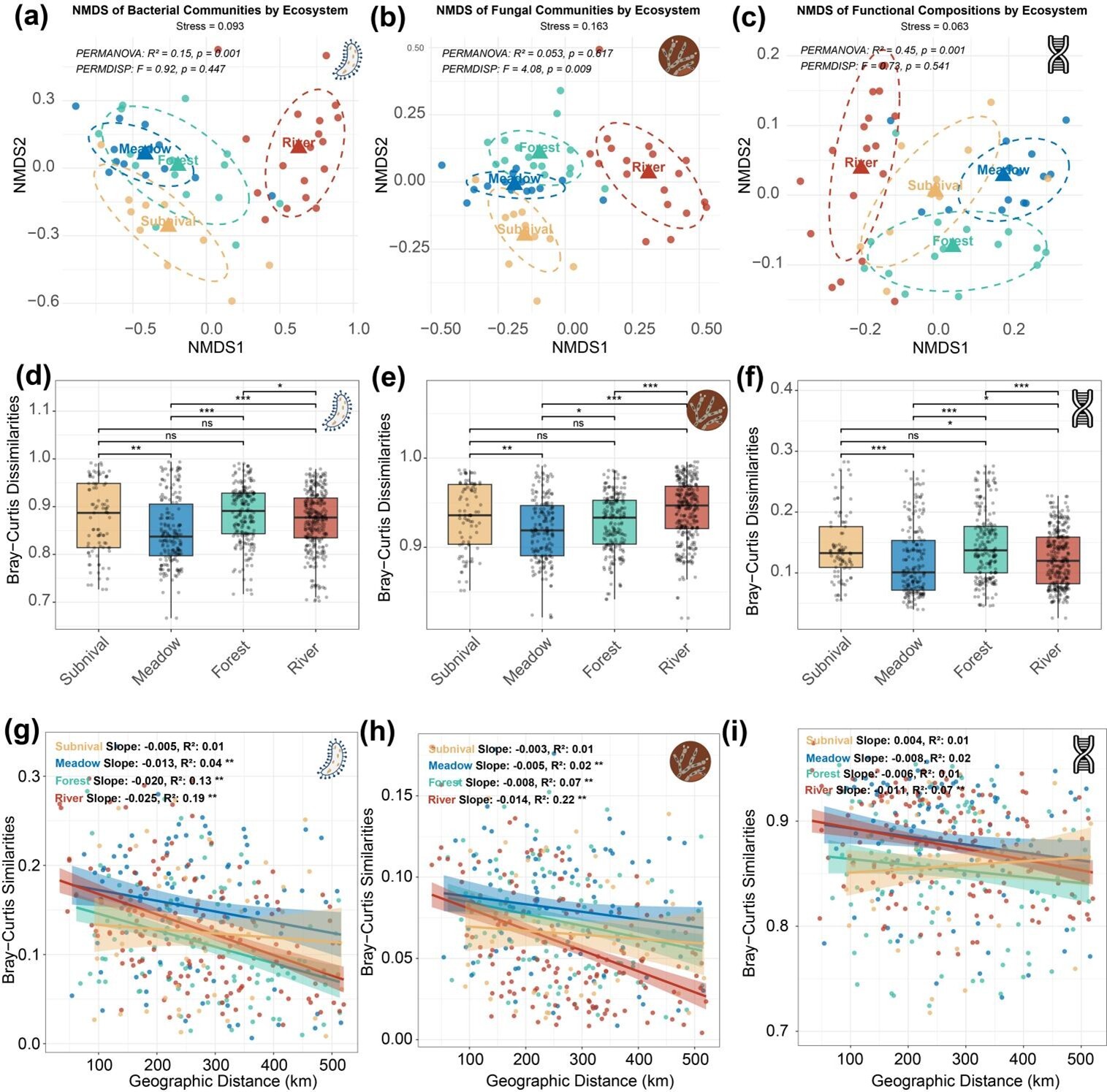
Figure 4: Differences in community composition, beta diversity patterns, and distance-decay relationships across ecosystems (Image by KIB)
Interestingly, microbial communities within valleys and subnival belts also varied greatly — meaning that even within the same valley, different sampling points harbored vastly different microbial species. Alpine meadow microbes, in contrast, were relatively uniform. Additionally, valleys and forests contained the highest number of "locally endemic" microbial species and functional genes — microbes that appear only in specific areas, as if nature had carefully preserved these "local relics."
2. River valleys: spatially isolated "microbial islands"
Across all ecosystems, lowland river valleys showed the strongest geographic isolation signal (Figure 4). The greater the distance between two valleys, the larger the microbial differences — resembling islands separated by rivers and mountains, where microbes have limited opportunities for exchange and evolve independently.
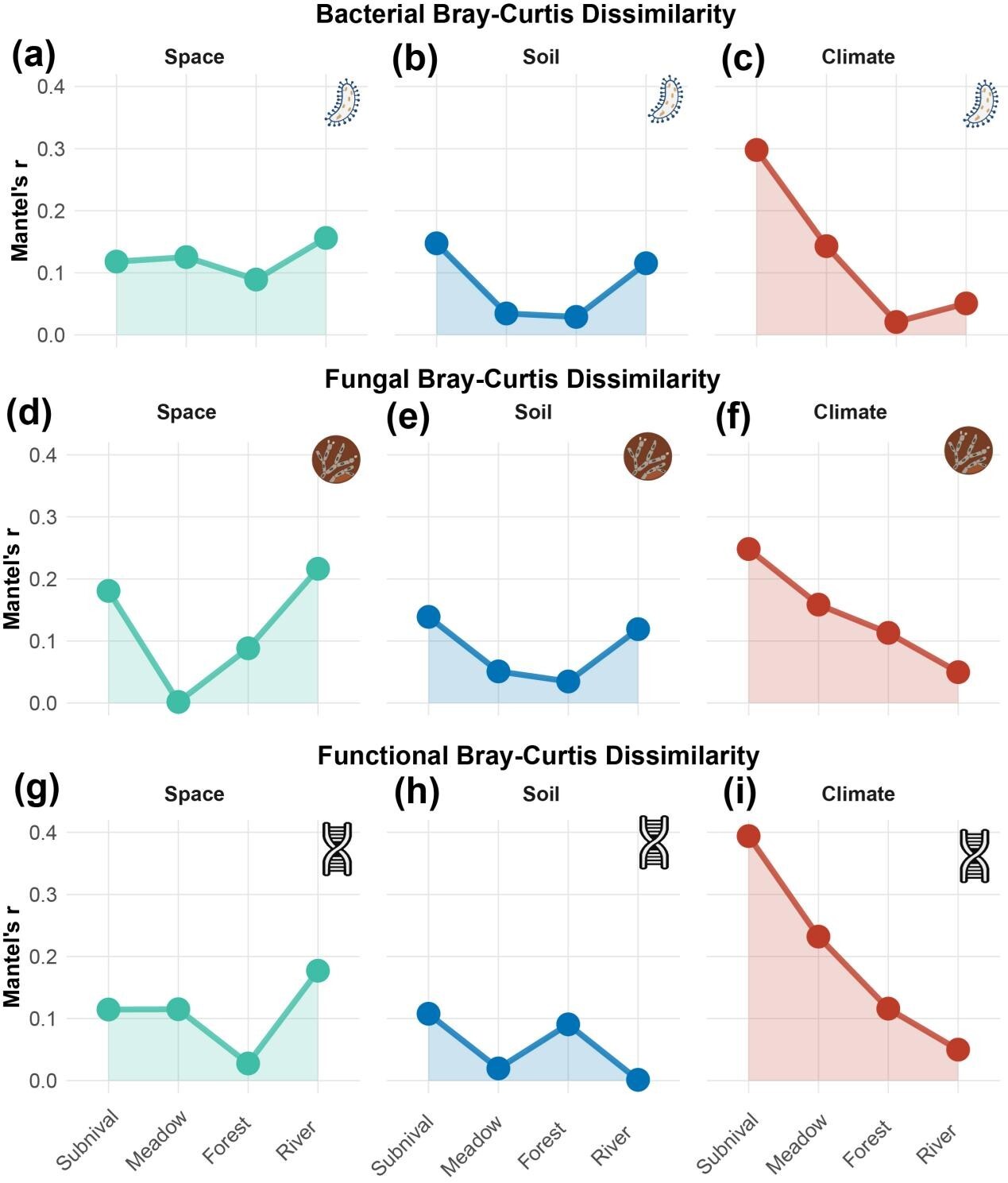
Figure 5: Relative importance of climate, soil, and spatial factors on microbial taxonomic and functional diversity across ecosystems (Image by KIB)
This spatial isolation is also reflected in community assembly: the formation of valley microbial communities is dominated by dispersal limitation and random drift — meaning whether microbes can reach a location matters more than local environmental conditions for determining who settles there (Figure 5). Functionally, valleys harbored the richest functional hotspots, especially in energy metabolism, cellular physiology, and environmental adaptation (Figure 6).
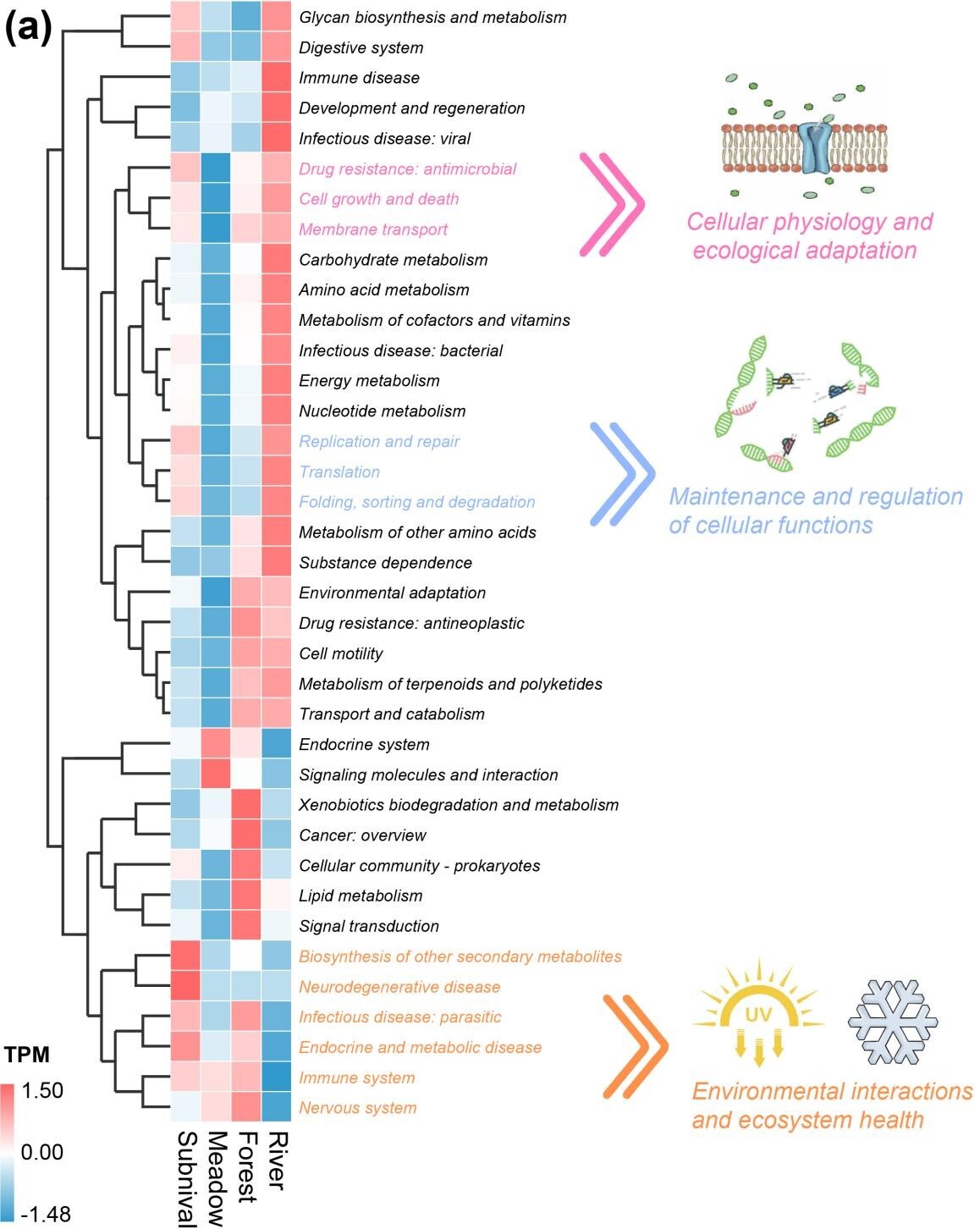
Figure 6: Distribution of microbial functional hotspots across ecosystems (Image by KIB)
3. Forests: jointly driven by space and environment
Forest ecosystems showed a moderate isolation signal (Figure 4). Spatial distance remained an important factor influencing microbial diversity, but its impact was less extreme than in valleys. Meanwhile, environmental factors (e.g., soil and climate) began to emerge (Figure 5).
In community assembly, dispersal limitation remained important, but the role of environmental selection increased significantly. In other words, in forests, microbes need not only to arrive but also to adapt to local environmental conditions to survive. Functional hotspot density was also high, though slightly lower than in valleys (Figure 6).
4. Alpine meadows: environment takes the lead
In alpine meadows, the spatial isolation signal weakened markedly (Figure 4). Distance between meadows had little effect on microbial differences; instead, environmental factors — especially climate — became the dominant force determining microbial composition (Figure 5).
This means that in high-elevation meadows, if climate and soil conditions are similar, microbial communities tend to converge, even across large distances. In community assembly, stochastic processes remained important, but environmental selection had surpassed that in valleys and forests. Notably, functional hotspot density in alpine meadows was the lowest among all ecosystems (Figure 6).
5. Alpine subnival belt: only the "strong" survive
The alpine subnival belt is the harshest ecosystem — cold, dry, with extreme temperature fluctuations and sparse vegetation. Here, the spatial isolation signal was very weak, and microbial differences were primarily driven by environmental selection (Figure 4).
Only microbes that can tolerate extreme conditions survive here, regardless of where they come from. In community assembly, environmental selection became the overwhelmingly dominant force, far outweighing dispersal limitation (Figure 5). Functionally, subnival belt microbes focus on survival: they enrich functional genes related to secondary metabolite synthesis, DNA repair, and stress resistance — essential tools for coping with extreme environments (Figure 6).
Conclusion:
This study reveals a pattern opposite to the classic "Sky Island effect" — that in large mountain ranges, lowland river valleys, not the high peaks, serve as the strongest biogeographic islands for microorganisms. Valleys, with their fragmented topography, exhibit the most significant spatial distance-decay effects. Dispersal limitation and random drift dominate community assembly, and valleys harbor the richest functional hotspots and endemic microbes.
As elevation increases to alpine meadows and subnival belts, the spatial isolation signal weakens, environmental selection replaces dispersal limitation as the dominant force, and microbial communities become largely determined by environmental conditions. Functional genes shift from diverse metabolism toward stress resistance and repair. In other words, in this mountain range, the lowest valleys are evolutionarily fragmented into isolated islands, while the highest rocky slopes resemble a harsh crucible — where only the fit survive, and wherever they originate, they eventually converge (Figure 7).
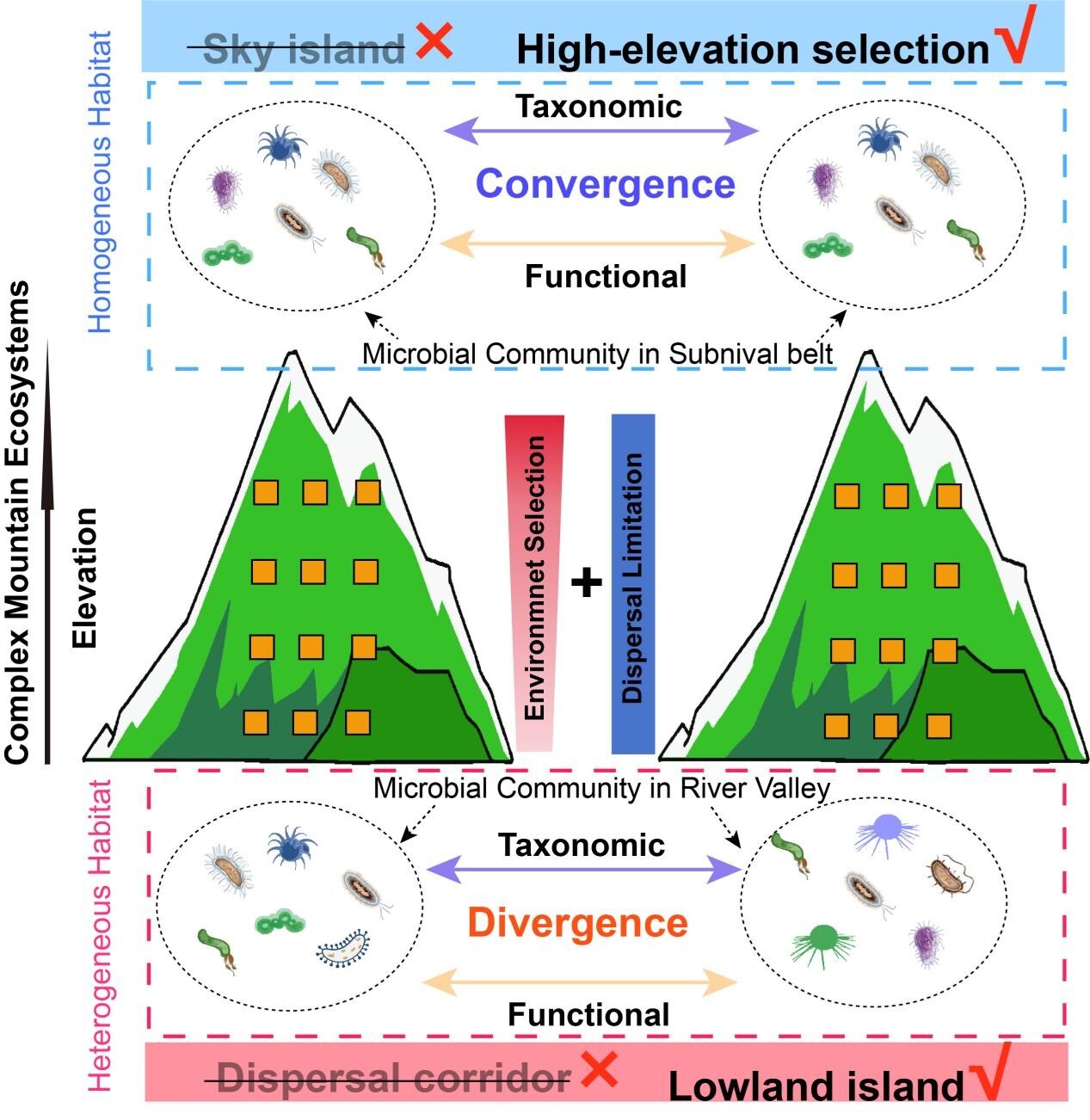
Figure 7: Schematic diagram of the Inverse Sky Island effect (Image by KIB)
This study, titled "Inverse sky islands: Lowland river valleys drive microbial divergence while high elevations select for convergence in massive mountain ecosystems" was published in the classic international journal of ecology and biogeography, Ecography. Dr. ZHANG Yazhou, Associate Professor at the KIB, is the first author. Academician SUN Hang is the corresponding author. Other contributors include Dr. J. Aaron Hogan (Texas A&M University), Professor WANG Jianjun (Nanjing Institute of Geography and Limnology, CAS), Dr. SUN Wenguang (Yunnan Normal University), and Engineer SONG (KIB).
Contact:
YANG Mei
General Office
Kunming Institute of Botany, CAS
email: yangmei@mail.kib.ac.cn
(Editor: YANG Mei)